
Food can play an important role in digestive wellness, but there is no single perfect way of eating that works for everyone. A supportive approach often begins with nourishment, variety, hydration, and paying attention to how your body responds.
Rather than focusing on strict rules, digestive wellness can be supported by simple food habits that feel realistic and sustainable over time.
Start with Nourishment First
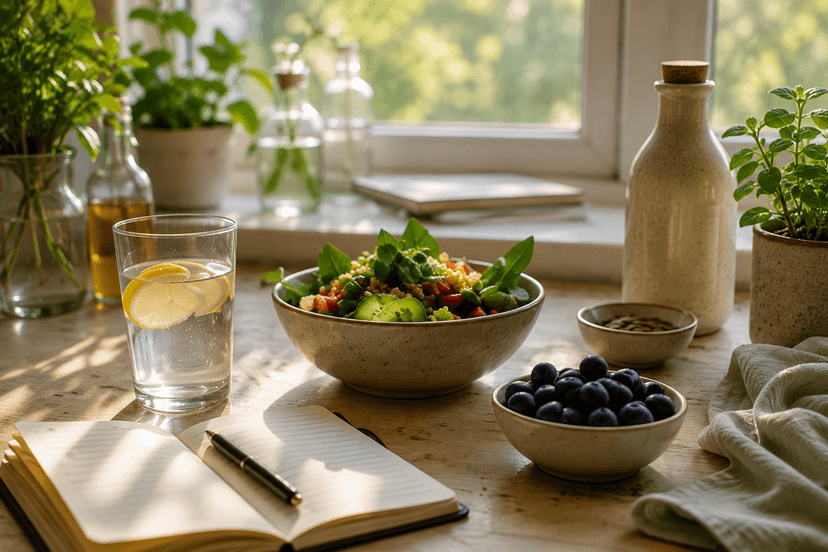
Nourishing meals can help support energy, comfort, and daily routines. For many people, this includes a mix of whole foods, colorful plants, satisfying meals, and enough hydration throughout the day.
A nourishment-first approach encourages consistency and balance without creating unnecessary pressure around food.
Include Fiber-Rich Foods
Fiber-rich foods are often part of a digestive wellness routine. These may include fruits, vegetables, beans, lentils, oats, whole grains, seeds, and other plant-based foods.
If you are adding more fiber, it can be helpful to increase slowly and pair it with steady hydration.
Hydration and Digestion
Hydration supports many daily body functions. Drinking water consistently throughout the day may help support comfort, energy, and regular routines.
Some people find it easier to stay hydrated by keeping water nearby, pairing water with meals, or adding simple reminders throughout the day.
Build Variety Over Time
Variety can help make meals more satisfying and supportive. Adding different colors, textures, and types of foods may help create a more enjoyable and balanced approach to eating.
- Fresh fruits and vegetables
- Whole grains like oats, rice, or quinoa
- Beans, lentils, nuts, and seeds
- Herbs, spices, and flavorful ingredients
- Simple meals that fit your schedule and preferences
Practice Mindful Meals
Mindful eating does not have to be complicated. It can simply mean slowing down, noticing how you feel, and creating a calmer environment when possible.
Paying attention to hunger, fullness, comfort, and energy after meals may help you better understand which habits feel supportive.
Honor Personal Needs and Preferences
Digestive wellness is personal. Foods that feel supportive for one person may not feel the same for someone else. Culture, accessibility, preferences, schedule, and individual needs all matter.
A sustainable approach should support your real life, not create shame or stress around food.
Key Takeaways
- Digestive wellness can be supported through nourishment.
- Fiber-rich foods and hydration may support daily routines.
- Food variety can make meals more balanced and enjoyable.
- Mindful meals may increase awareness of comfort and energy.
- Personal needs and preferences matter.