Energy is not only about how much you can get done in a day. It is connected to sleep, recovery, stress, nourishment, movement, emotional well-being, and the rhythms that shape daily life.
When energy feels steady, daily responsibilities can feel more manageable. When energy feels low or unpredictable, even simple tasks can feel heavier than usual.
Why energy matters
Energy affects how you move through your day, how you respond to stress, how clearly you think, and how connected you feel to your own needs. It can also influence motivation, patience, mood, and follow-through.
Supporting energy is not about pushing harder. It is often about understanding what helps your body recover, reset, and feel more balanced over time.
Energy and daily rhythms
Most people experience natural shifts in energy throughout the day. Some feel more alert in the morning, while others feel clearer later in the afternoon or evening. These patterns can be influenced by sleep, meals, movement, light exposure, stress, and routine.
Paying attention to these rhythms can help you make more supportive choices. For example, you may notice when you need breaks, when you focus best, or when your body benefits from slower pacing.
Recovery as part of energy
Recovery is not separate from energy. It is one of the ways energy is restored. Rest, sleep, quiet time, nourishing meals, gentle movement, and emotional support can all help the body rebuild after daily demands.
Without enough recovery, the body may begin to feel depleted. This can show up as fatigue, irritability, low motivation, brain fog, or feeling like you are constantly running on empty.
Common signs energy may need support
Low energy can look different from person to person. Some people feel physically tired, while others feel mentally foggy, emotionally drained, or unable to recover after busy days.
Common signs may include:
- Feeling tired even after resting
- Difficulty getting started in the morning
- Midday crashes or inconsistent energy
- Brain fog or trouble focusing
- Feeling emotionally depleted
- Needing more recovery time than usual
Building supportive habits
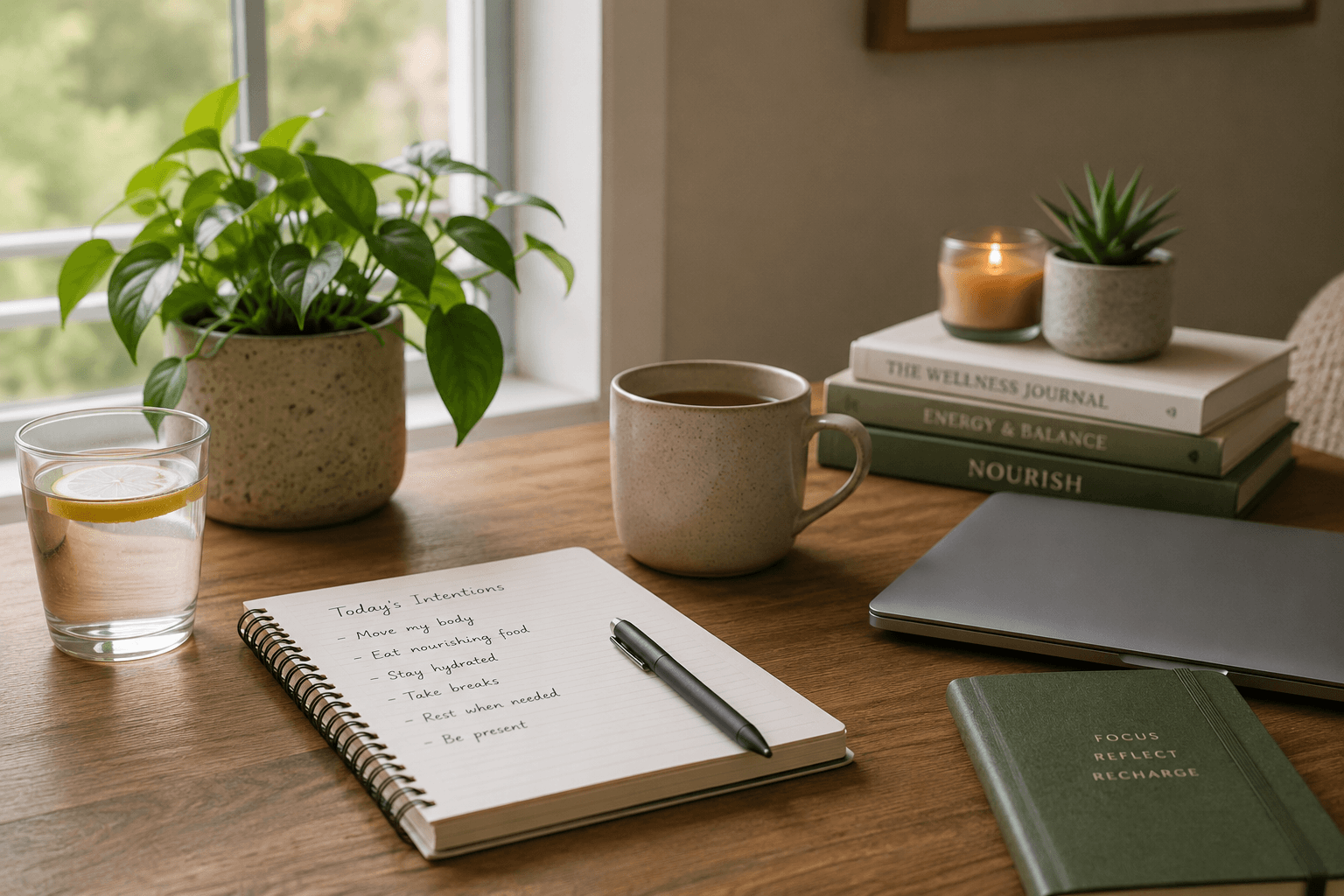
Supporting energy often begins with simple, repeatable habits. This may include consistent sleep, nourishing meals, hydration, gentle movement, breaks during the day, time outside, and realistic expectations for your current season.
Small changes can create a stronger foundation over time. The goal is not to force constant productivity, but to support a rhythm that helps your body feel more steady and cared for.
When additional support may help
If low energy or fatigue continues, it may be helpful to seek additional support. A wellness practitioner may help you explore stress patterns, routines, recovery needs, and whole-person wellness practices that align with your goals.
Rooted Vitality helps people connect with practitioners who understand whole-person wellness and can offer guidance based on your needs, preferences, and current season of life.