Holistic wellness is a whole-person way of looking at well-being. It recognizes that physical health, emotional balance, daily routines, relationships, environment, and personal goals can all influence how someone feels.
Rather than focusing on one isolated concern, holistic wellness often looks at the bigger picture of a person's life and asks how different areas may be connected.
What Is Whole-Person Wellness?
Whole-person wellness means considering more than one part of a person's life. A wellness practitioner may ask about sleep, stress, nourishment, movement, lifestyle patterns, emotional well-being, and personal goals.
This does not mean every area needs to be changed at once. It simply means wellness is often shaped by many small influences that work together over time.
Why Holistic Wellness Looks at Connections
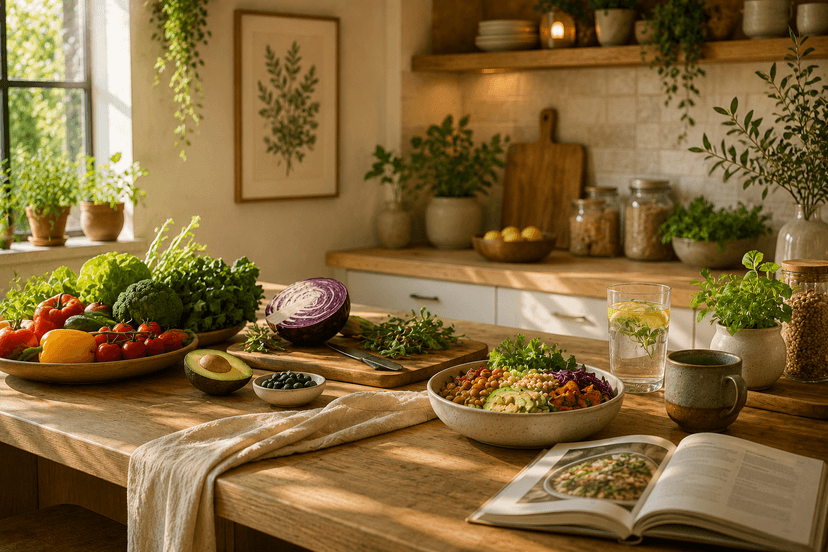
Many people notice that one area of life can affect another. Stress may influence sleep. Sleep may influence energy. Nourishment may influence mood and recovery. Movement may support emotional well-being.
A holistic approach pays attention to those connections and looks for supportive habits, resources, and guidance that fit the person, not just the concern.
A Personalized Approach to Support
Holistic wellness is not one single method. Different practitioners may focus on different areas, such as nutrition, movement, stress support, bodywork, mindfulness, women's wellness, sleep, energy, or other supportive practices.
The right approach often depends on your goals, preferences, comfort level, and the kind of support you are looking for.
Working With Holistic Practitioners
Holistic practitioners may help clients better understand patterns, explore supportive routines, and take practical steps toward their wellness goals. The experience is often collaborative, with the client playing an active role in the process.
Rooted Vitality helps individuals explore practitioners whose approach, experience, and focus areas may align with their needs.
An Important Note
Holistic wellness support can be a meaningful part of a person's overall care, but it should not replace medical evaluation or care when medical attention is needed.
If you are experiencing severe, sudden, worsening, or concerning symptoms, contact a licensed medical professional or seek urgent care when appropriate.
Key Takeaways
- Holistic wellness looks at the whole person.
- Daily routines, stress, sleep, movement, and nourishment can all matter.
- Different practitioners may focus on different areas of support.
- The right approach depends on your goals and preferences.
- Holistic support should not replace needed medical care.