Nutrition is one part of whole-person wellness. The foods we choose can support energy, digestion, mood, daily rhythms, and overall well-being.
A holistic approach to nutrition is not about following one perfect diet. It is about understanding how nourishment, lifestyle, habits, and personal needs work together.
What Is Holistic Nutrition?
Holistic nutrition looks at food in the context of the whole person. This may include energy, digestion, sleep, stress, culture, access, preferences, daily schedule, and wellness goals.
Instead of focusing only on rules or restrictions, holistic nutrition often encourages awareness, balance, and sustainable choices that fit real life.
Food as Everyday Support
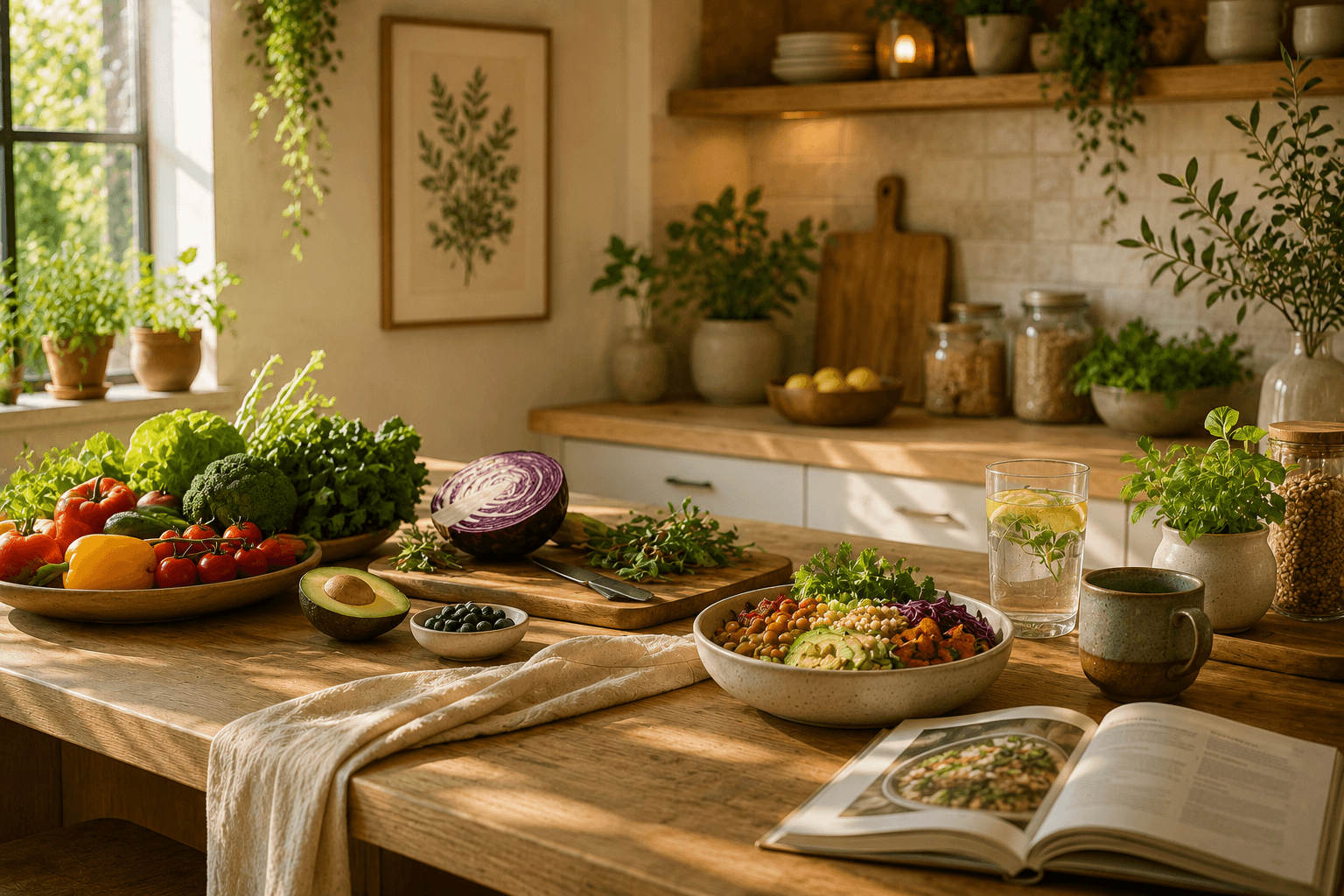
Nourishing food habits can help create a supportive foundation for wellness. For many people, that means including a variety of whole foods, drinking water consistently, and choosing meals that feel satisfying and realistic.
Supportive nutrition does not need to be complicated. Small, repeatable choices often matter more than short-term perfection.
Building Nourishing Habits
Healthy food routines often become easier when they are simple and flexible. A few starting points may include:
- Adding more colorful fruits and vegetables
- Including protein, fiber, and healthy fats when possible
- Drinking water throughout the day
- Planning simple meals for busy seasons
- Paying attention to how foods affect energy and comfort
These habits can help you better understand what feels supportive for your body and lifestyle.
Working With a Nutrition-Focused Practitioner
Some people want help understanding food habits, meal rhythms, energy patterns, digestive comfort, or how nutrition fits into their broader wellness goals.
A nutrition-focused practitioner may help you explore practical steps, build awareness, and create a plan that feels supportive and sustainable.
Important Considerations
Nutrition needs are personal. What works well for one person may not be the best fit for someone else. Health history, medications, allergies, culture, budget, and access to food can all matter.
If you have a medical condition, a history of disordered eating, or symptoms that are severe, sudden, or concerning, it is important to work with a licensed medical professional or qualified nutrition provider.
Key Takeaways
- Nutrition is one part of whole-person wellness.
- Holistic nutrition considers the person, not just the plate.
- Simple, sustainable habits often matter most.
- Food choices can support energy, digestion, and daily rhythms.
- Personalized support may help clarify what works for you.